Submarines
Association
Australia



SubmarinesAssociationAustralia |
|
|
|
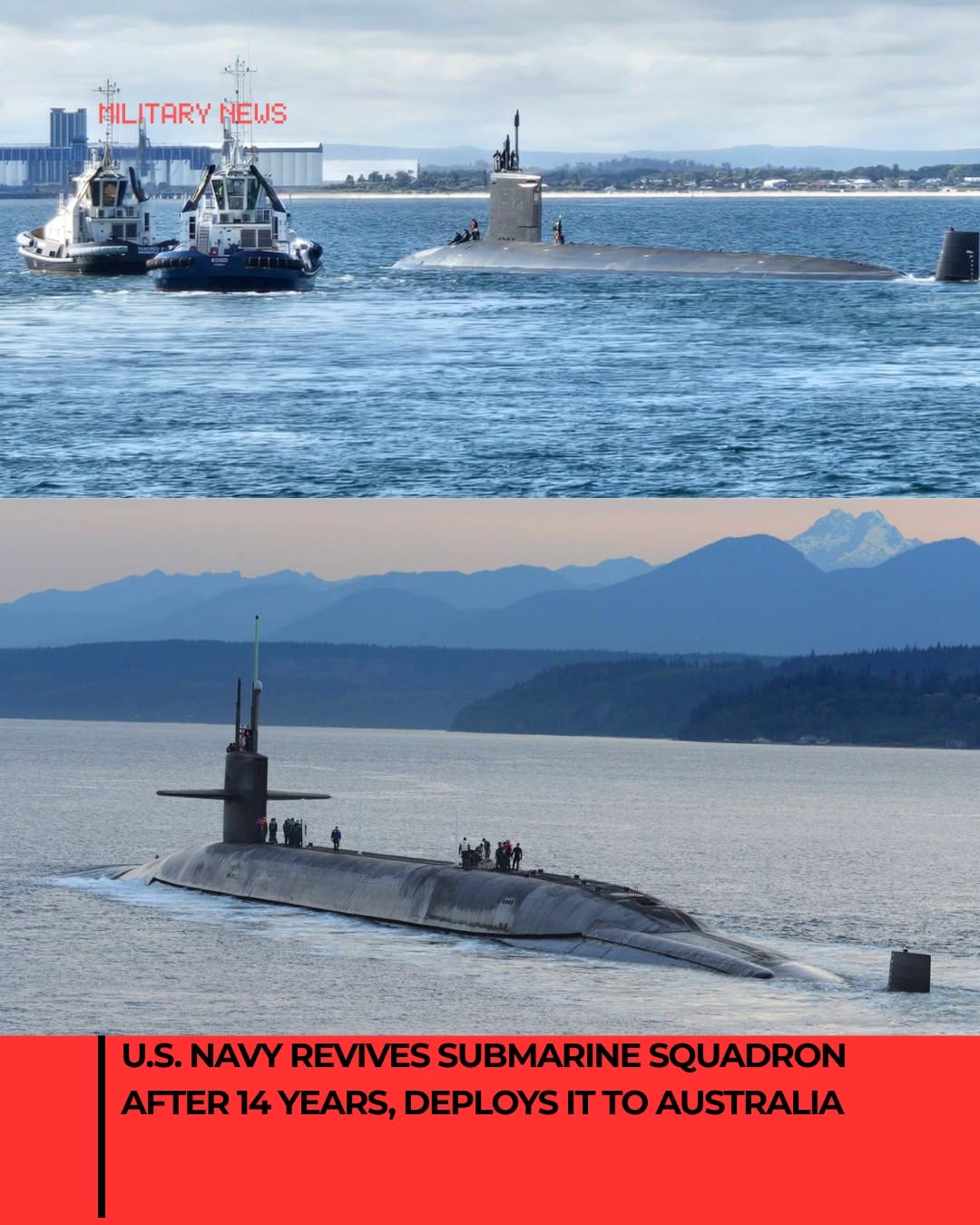
U.S. Navy Revives Submarine Squadron After 14 Years, Deploys It to Australia
The United States Navy has officially reactivated Submarine Squadron 3 (CSS-3) after a 14-year hiatus, marking a major milestone in the implementation of the AUKUS. Rather than returning to its former home in Hawaii, the squadron will now be based at HMAS Stirling, where it will support future rotations of U.S. and British nuclear-powered attack submarines.Originally decommissioned in 2012 as part of a force restructuring, CSS-3 has been brought back to establish the command, logistics, maintenance, and operational framework for the Submarine Rotational Force–West (SRF-West). Beginning in 2027, the initiative will see U.S. and U.K. fast-attack submarines regularly deploy from Western Australia, significantly expanding allied undersea presence in the Indo-Pacific.
Personnel assigned to the reactivated squadron will work closely with the Royal Australian Navy to develop maintenance capabilities, logistics support, infrastructure, and workforce training. The effort is intended to prepare Australia for operating and sustaining nuclear-powered submarines under the first pillar of the AUKUS agreement.
The reactivation also reflects the growing strategic importance of Western Australia. Located along key sea lanes linking the Indian and Pacific Oceans, HMAS Stirling provides an ideal forward operating location for allied submarines, enabling faster response times and greater operational reach across the Indo-Pacific region.
Senior U.S. Navy leaders have described the move as a significant enhancement to regional undersea operations. By stationing a dedicated submarine squadron closer to potential areas of operation, the Navy expects to improve readiness, increase logistical efficiency, and strengthen coordination with Australian and British partners.
The return of Submarine Squadron 3 highlights the accelerating implementation of AUKUS, transforming the agreement from a long-term submarine acquisition program into an operational alliance with a permanent undersea support structure. As preparations continue for regular submarine rotations in 2027, the new squadron will play a central role in reinforcing allied maritime security and maintaining a credible undersea deterrent throughout the Indo-Pacific.
Vice Admiral Jonathan Mead, the first boss of the Australian Submarine Agency, has announced he will retire in mid-2026. (ABC News: Luke Stephenson)

read the full story here
Chief of Navy Australia's Post
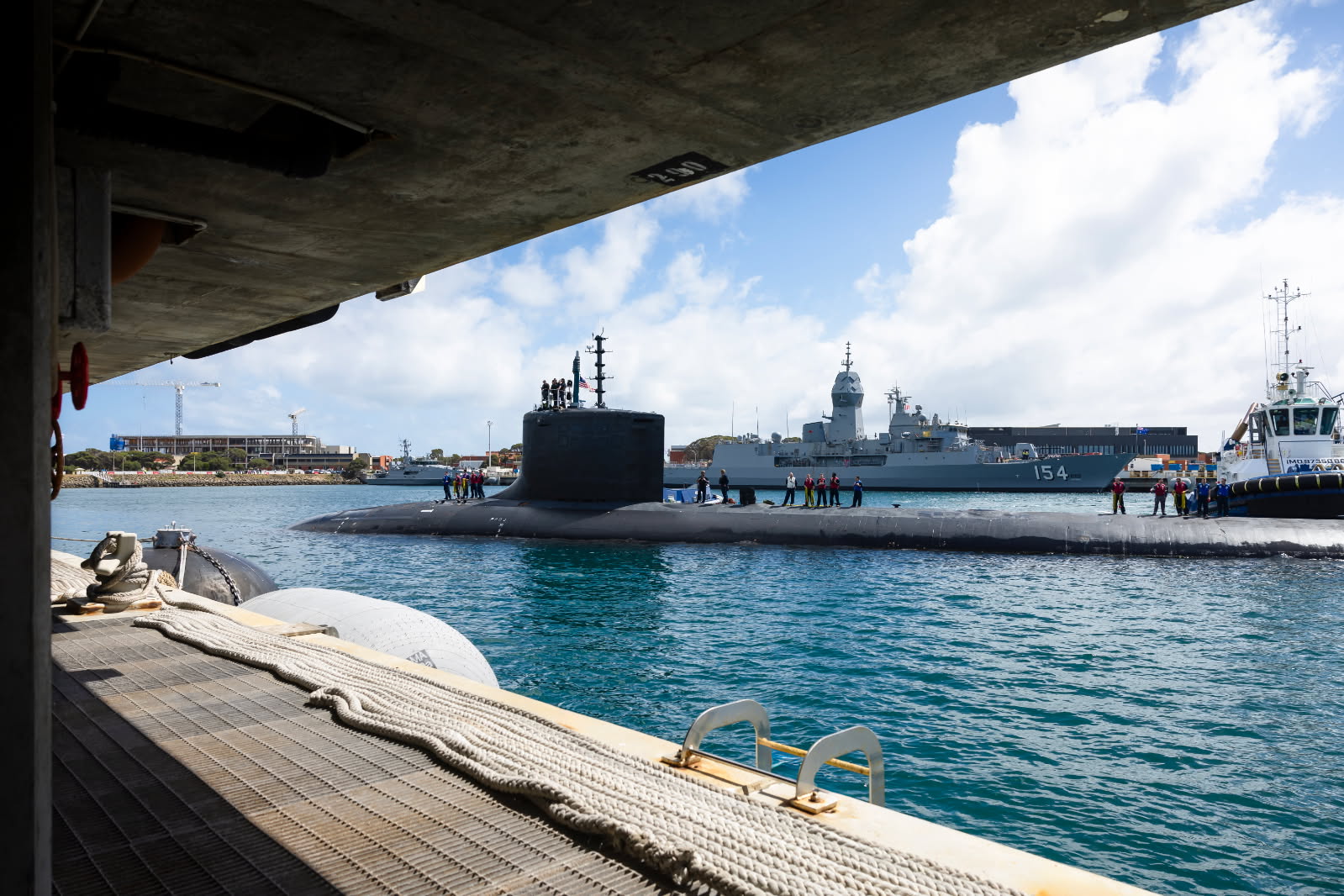
Today ( 29 Oct 2025) we welcomed the USS Vermont (SSN 792) to HMAS Stirling in WA for a scheduled submarine maintenance period — another tangible example of the strong partnership between the Royal Australian Navy, the U.S. Navy and Royal Navy under AUKUS.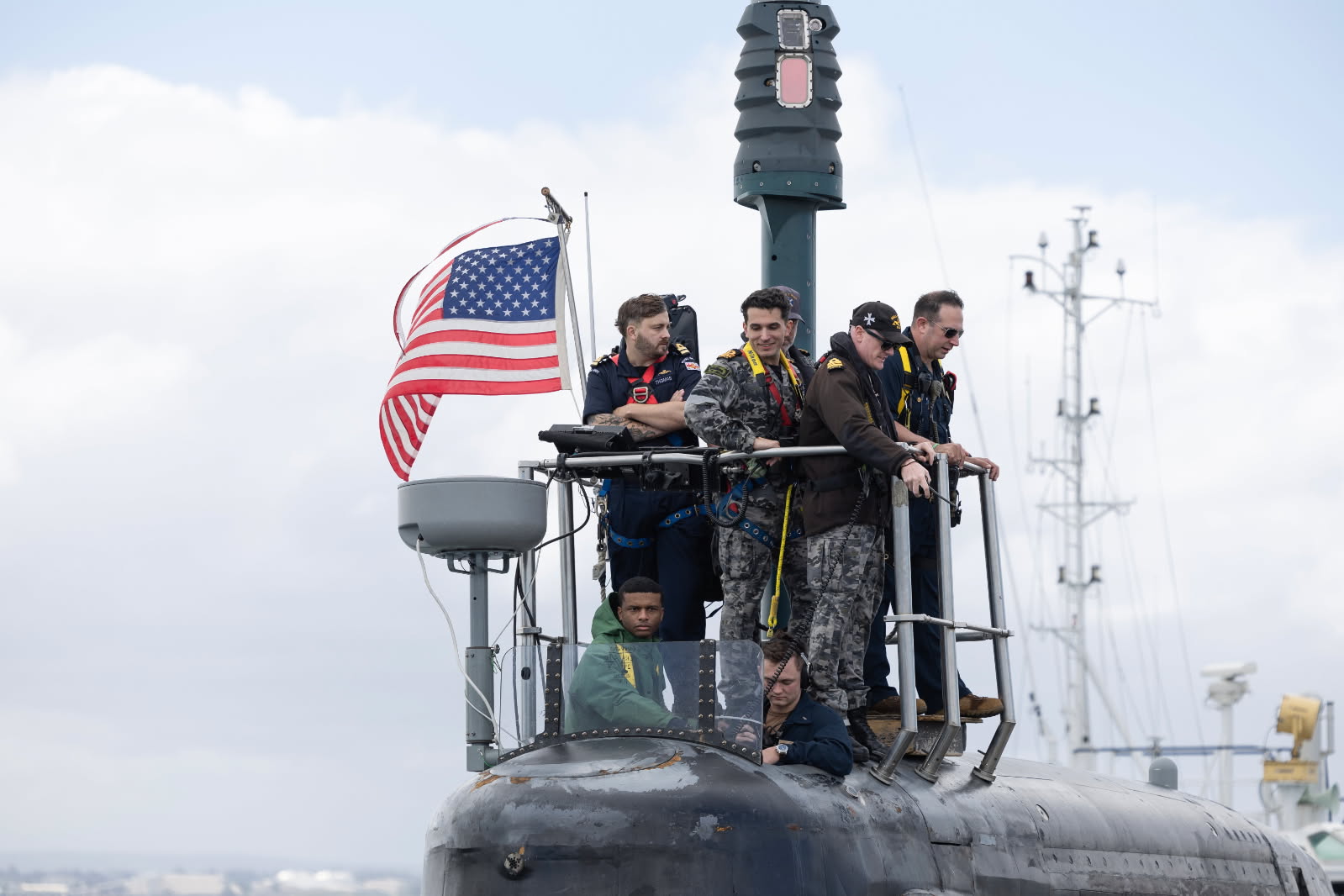
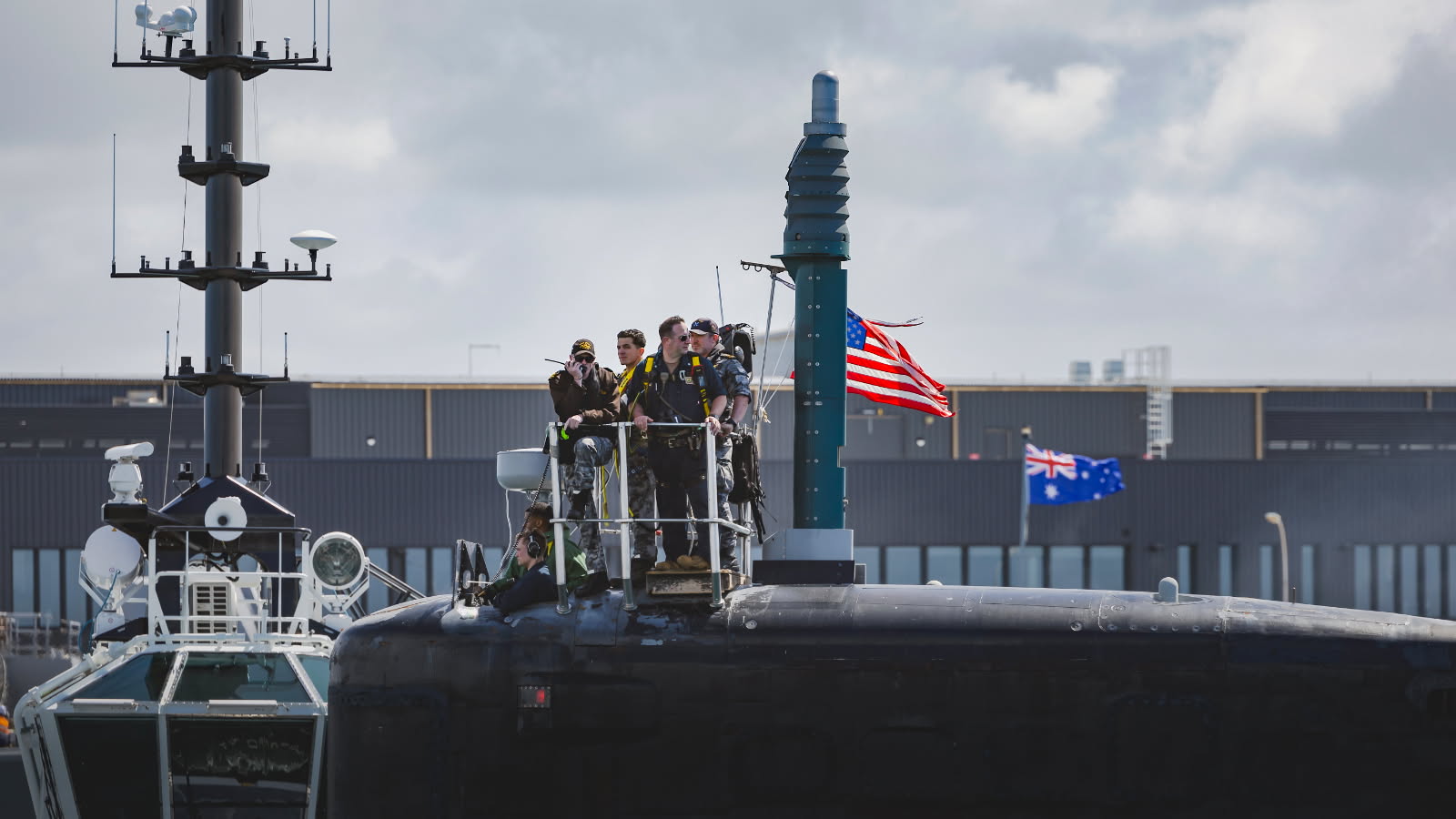


In another significant milestone for the Australia, United Kingdom, United States (AUKUS) enhanced trilateral security partnership,the first seven Royal Australian Navy enlisted sailors graduated the United States Navy Nuclear Power School.
The seven sailors, alongside a third group of RAN officers who also graduated, are the pioneers towards Australia establishing a sovereign conventionally armed, nuclear-powered submarine (SSN) fleet in the early 2030s.
Chief of Navy, Vice Admiral Mark Hammond, AO, RAN acknowledged the rigorous training the sailors completed at the school. “Naval Nuclear Power training is exceptionally rigorous and to have seven Australian sailors and five officers complete the program and move on to Nuclear Power Training Unit takes us closer to operating our own SSNs,” Vice Admiral Hammond said.
The seven enlisted RAN sailors trained at the Nuclear Power School from October 2023, and have been learning the science and engineering principles that are fundamental to the design, operation, and maintenance of naval nuclear propulsion plants alongside American and British submariners.
The graduates will start this month at the United States Naval Nuclear Power Training Command, which trains officers, enlisted sailors, and civilians for shipboard nuclear power plant operation and maintenance of surface ships and submarines in the U.S. Navy’s nuclear fleet.
Director-General Australian Submarine Agency, Vice Admiral Jonathan Mead AO, RAN acknowledged the significant milestones of AUKUS this year.
“Thirty-seven months after AUKUS’ inception, we are well on our way to developing Australia’s SSN capability,” Vice Admiral Mead said.
“Last month, Australian sailors conducted the first maintenance period on an SSN in Australia.
Today we graduate the first enlisted personnel from an exceptionally rigorous school; already we have Australian officers serving aboard both U.S. and UK SSNs.”
RAN personnel are in various stages of the U.S. nuclear-powered submarine training pipeline to equip them with skills and experience aboard the U.S. Virginia Class SSNs.
The assignment of RAN sailors to U.S. submarines is a fundamental step towards developing the skills needed to crew the Virginia-class submarines that Australia will own and operate from the early 2030s. #AusNavy #YourADF
Deterrence and alliance power: Why the AUKUS submarines matter and how they can be delivered AUKUS NEWS
A PDF ON the USS Virginia is available USS Viginia
Breaking news from AUKUS : BAE Systems and ASC to build the new submarines with Rolls Royce to build the power plant. New Agreement Minister of Defence Rolls Royce
The new Battle Scape with AUKUS review
The Australian Submarine AUKUS pathway for the future has been made public download a copy here
Three Australian Naval Officers have now passed the USN reactor training course additional information Here
A second artical about our Naval Officers training is available Here
PD Briggs latest Review of the new submarine project Here
Current works related to the AUKUS Build Here
Could we be getting UK built boats Here
Todays 14 March 2024 News:
AUKUS News: New problems with the AUKUS Build read news Here
Pentagon looks to allay AUKUS Here